Does Wattage Matter for Nut Butter and Frozen Fruit?
Sustained power matters a great deal for thick, heavy loads, which is exactly where a peak rating tells you nothing useful.
Thick loads are where the distinction stops being academic. Nut butter, frozen fruit and hot soup load the motor continuously for a minute or more — far past the fraction of a second a peak rating describes.
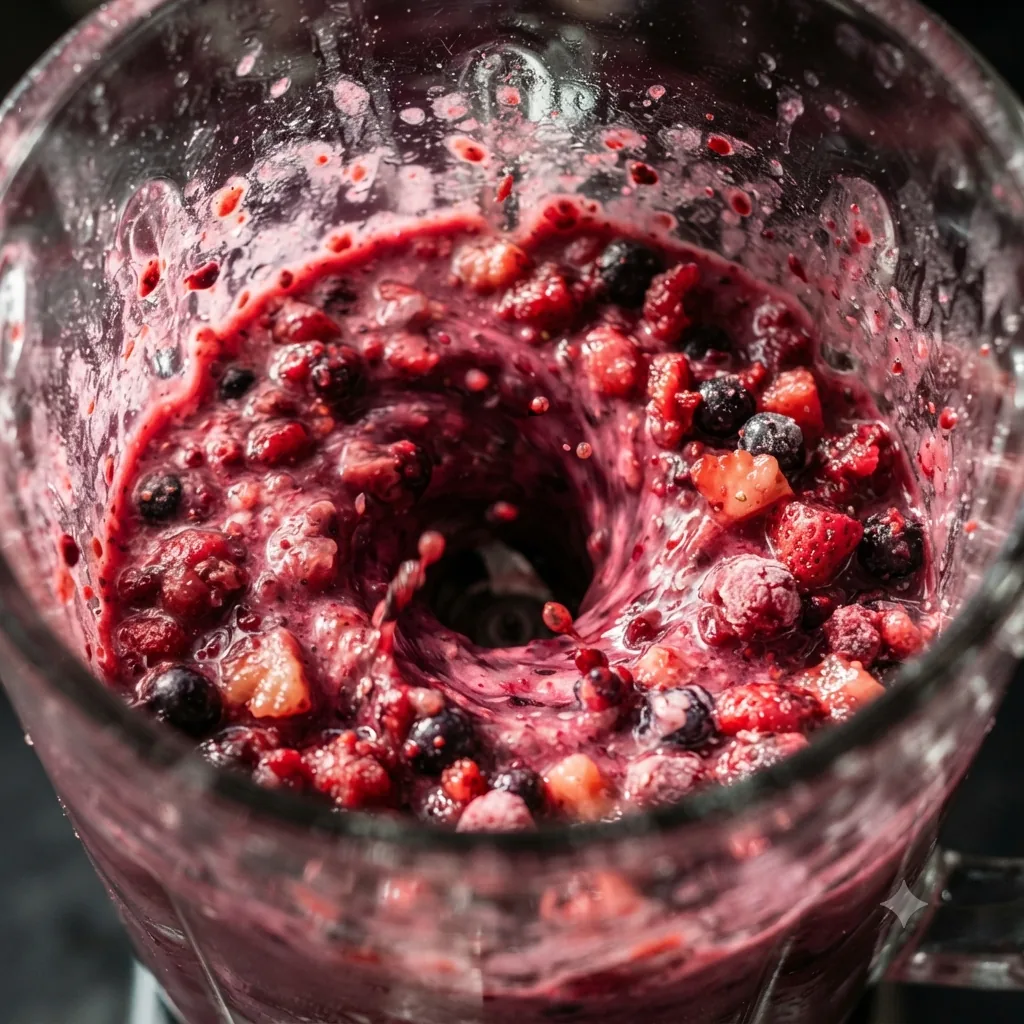
What carries a machine through is continuous power plus the thermal design to sustain it without cutting out. A blender advertising an impressive peak that thermally throttles thirty seconds into a nut-butter batch has a rating describing a moment you never actually use.
This is the practical reason to look for a continuous rating or a published amperage before buying for heavy work, and to treat peak figures as marketing rather than specification.
Frequently Asked Questions
Amperage is printed on the appliance label and can be checked against the circuit, so it is the most verifiable figure a brand can publish. The Vitamix 5200 lists 11.5 amps, which at 120 volts works out to 1380 watts, matching its advertised wattage exactly. Most competitors publish peak watts or peak horsepower instead, neither of which is independently checkable.
Wattage is worth checking but it is not the whole picture. Compare like with like by looking for a continuous rating or an amp figure, then weigh jar shape, blade design, and motor cooling. A well-designed 1400 W machine can outperform a poorly designed one advertising a bigger peak number.
Usually not for short blending cycles, since the heaviest draw is brief. But running a high-wattage blender on a circuit already loaded with other kitchen appliances can trip the breaker. If your kitchen shares one circuit across several appliances, that is worth knowing before you buy the highest-wattage model available.